What Commercial AV Installation Costs in Denver
A practical guide to commercial AV installation costs in Denver and the Front Range, including the factors that move budgets up or down.
Commercial AV pricing in Denver varies widely because the scope behind the phrase "audio video installation" can mean very different things. A single huddle room with a display and conferencing bar is not the same project as a divisible training room, a restaurant audio system, or a multi-floor workplace standard. The best budget conversations start by separating hardware, labor, programming, infrastructure, and long-term support. For Colorado businesses, the local context matters. Older buildings in Denver and Boulder can introduce cable pathway constraints, ceiling access limits, and network upgrades. New construction and tenant improvement projects often move faster when AV is coordinated early with electrical, low-voltage, millwork, and IT teams. The goal is not to buy the most equipment; it is to create a reliable system that fits the room, users, and operating budget. This guide explains the cost drivers that matter most, how to avoid surprise change orders, and how to phase work when the right long-term system is larger than the first budget cycle.
The Main Factors That Drive Cost
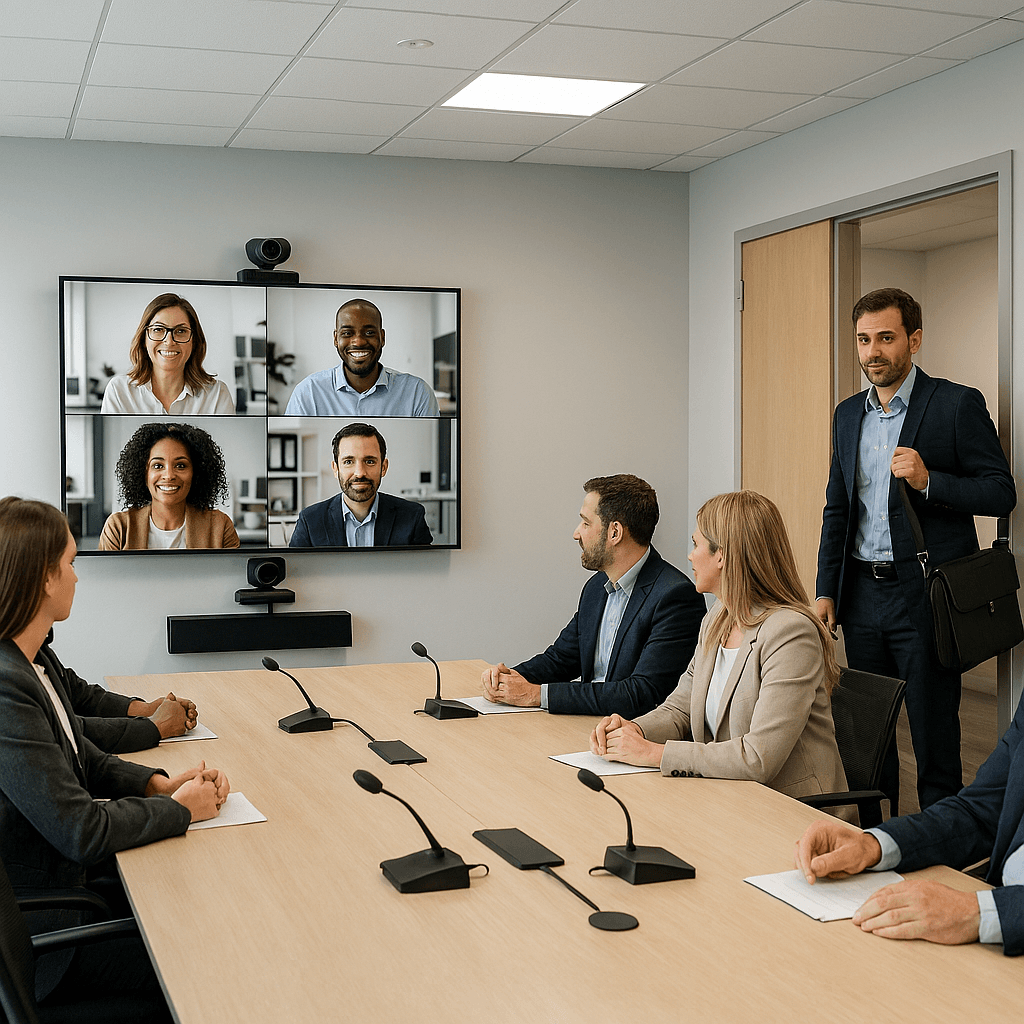
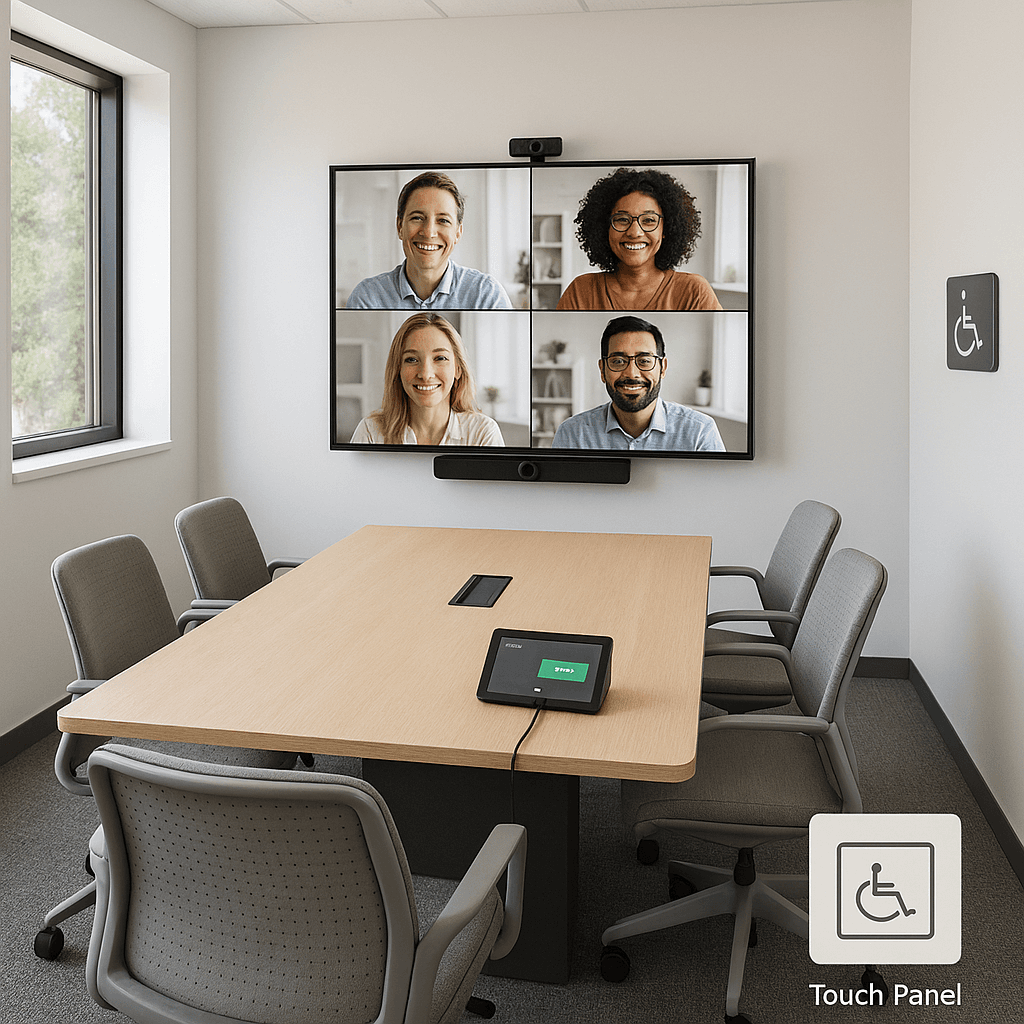
Room size, system complexity, and infrastructure readiness usually determine the budget more than brand preference alone. A small meeting room may need a display, camera, microphone, speaker, simple control, and a clean cable path. A boardroom may add multiple displays, ceiling microphones, DSP processing, table connectivity, touch-panel control, and coordination with video platforms like Microsoft Teams Rooms or Zoom Rooms.
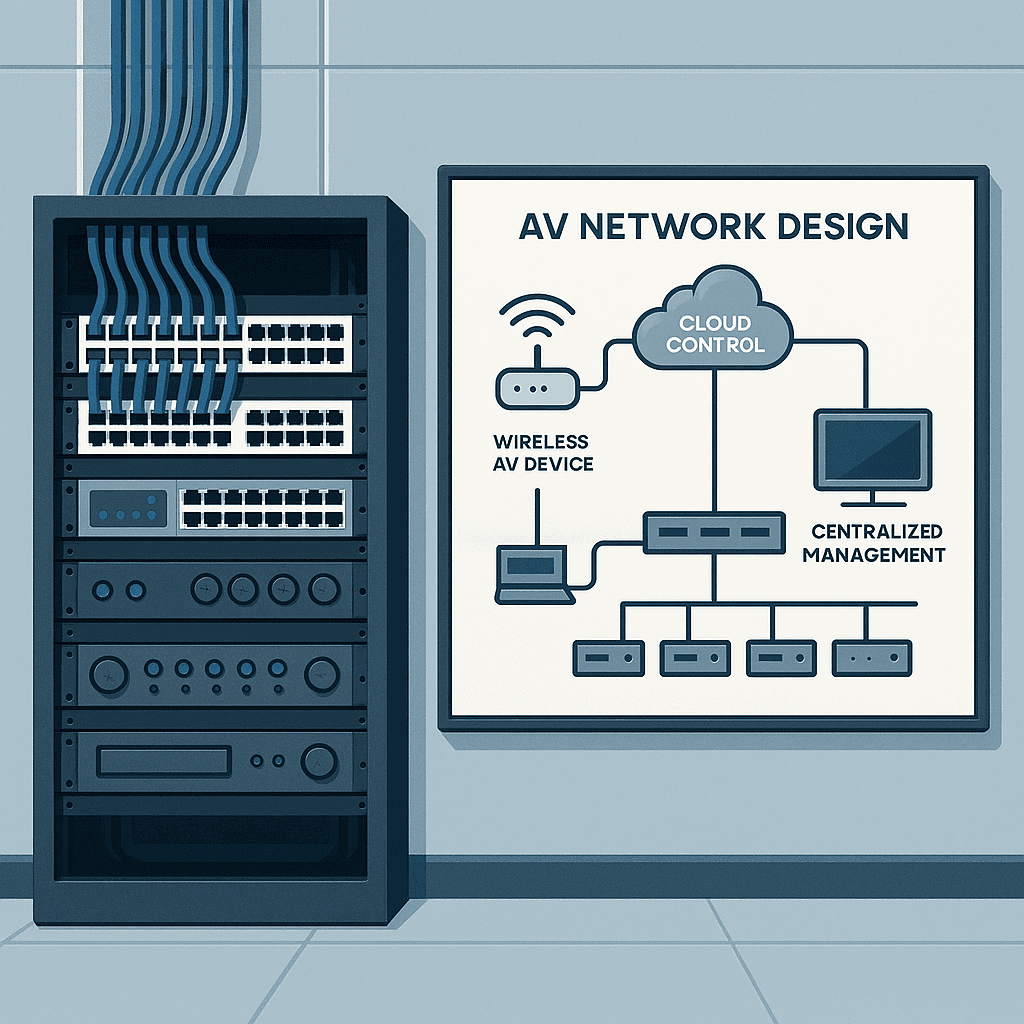
Labor is often underestimated. Professional installation includes mounting, cable pulls, terminations, rack work, labeling, testing, cleanup, commissioning, and user training. In commercial buildings, this can also require lift access, after-hours work, fire-rated cabling, plenum materials, permits, or coordination with building management. Those details are not overhead; they are what make the system dependable and code-conscious.
Programming and commissioning also deserve budget. A room that looks finished can still fail users if the audio is not tuned, camera presets are wrong, displays wake inconsistently, or the control interface is confusing. Professional commissioning turns the equipment list into a working experience.
Budget Ranges to Use for Planning
For planning only, simple commercial meeting spaces often start in the low thousands when infrastructure is ready and the scope is limited. More complete huddle or small conference rooms can move into the mid five figures depending on display size, conferencing platform, audio requirements, and control needs. Larger conference rooms, training rooms, divisible rooms, restaurants, houses of worship, and multi-room rollouts can vary substantially because each adds design and coordination complexity.
The right way to use ranges is to define the room outcome first. If the goal is "join a Teams meeting with one touch and make every remote participant hear clearly," the budget should include audio coverage, platform certification, control, network readiness, and support documentation. If the goal is "background music across dining, patio, and private event zones," the budget should include zoning, volume control, amplifier capacity, speaker coverage, and operational handoff.
Phasing can help. A business might standardize the most-used rooms first, prepare cable pathways during construction, or choose equipment that can support future control and monitoring. Good planning prevents the first phase from becoming throwaway work.
How to Reduce Cost Without Reducing Reliability
The safest savings usually come from standardization and clarity. Standard room types reduce design time, simplify support, and make training easier. Reusing a proven display size, camera family, control layout, and cabling approach across rooms lowers risk and speeds deployment. It also helps IT and facilities teams stock spares and troubleshoot consistently.
Avoid false economy in audio, cabling, and mounting. Users forgive many things, but they do not forgive bad sound, unreliable connections, or displays that feel unsafe. If budget pressure is high, it is often better to simplify feature scope than to compromise the foundation. A clean, reliable room with fewer features will outperform a complex room that nobody trusts.
Bring AV into the project early. When AV is coordinated after walls are closed, costs rise because cable paths, backing, power, network drops, and furniture details have already been decided. Early coordination is one of the most practical ways to protect budget on Denver tenant improvements and remodels.
What to Ask Before Requesting a Quote
A useful quote depends on specific answers. Who uses the room? Which meeting platforms matter? How many people sit in the space? Are remote participants common? Is the network ready for AV devices? Are drawings available? Will installation happen during business hours? Who owns support after handoff?
For multi-room projects, also ask whether each room truly needs to be unique. Many organizations can define a small set of standards: huddle, conference, training, all-hands, and specialty. That structure helps vendors quote accurately and gives leadership a roadmap instead of a pile of disconnected line items.
The best proposal should explain assumptions, exclusions, and dependencies. It should be clear where equipment stops and labor begins, what commissioning includes, what training looks like, and how changes will be handled.
Conclusion
Commercial AV installation cost in Denver is best understood as an infrastructure decision, not just a hardware purchase. The budget reflects how reliably the room needs to work, how many systems must integrate, and how much coordination the building requires.
Businesses get the strongest value when they define outcomes, standardize where possible, and protect the fundamentals: audio, cabling, mounting, control, and commissioning. That approach produces rooms people trust and budgets that are easier to defend.
Key Takeaways
- •Define the room outcome before comparing equipment lists.
- •Budget for labor, programming, commissioning, and training, not hardware alone.
- •Standardize common room types to reduce cost and support complexity.
- •Coordinate AV early during construction or tenant improvements.
- •Simplify feature scope before compromising audio, cabling, or mounting quality.